🎄 2026 Testing Cut-Off Dates

Testing Services will close from Friday, 11 December 2026 and resume Monday, 4 January 2027.

Please send samples by Monday, 7 December to allow time for delivery. Samples received after 11 December will not be processed and may incur a $50 recollection fee.


Detailed Test Information

IgE Mould Allergy Test

KEY ADVANTAGES

SIGNIFICANCE OF MOULD IGE ALLERGY TESTING

ADVANTAGES OF IGE MOULD ALLERGY TEST

ADVANTAGES OF IGE MOULD ALLERGY TEST

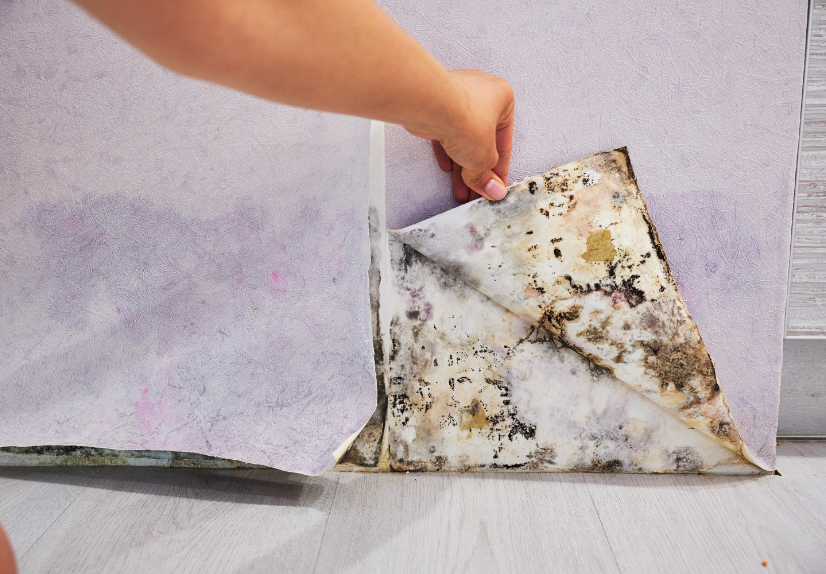
MOULD AND ASSOCIATED ENVIRONMENT/MYCOTOXINS

Penicillium notatum (chrysogenum)

Found in food and damp buildings. Can cause respiratory conditions like pneumonia, localized granulomas, fungus balls, asthma and systemic infections like endophthalmitis. Species of this mould produce the mycotoxins gliotoxin, ochratoxin, sterigmatocystin, citrinin, and mycophenolic acid, which are measured in the MycoTOX Profile.

Cladosporium herbarum

Common outdoor mould found in 70% of homes tested in the US. Found in food stuffs, paint, windowsills, HVAC systems.

Aspergillus fumigatus

Ubiquitous, common in outdoor air, contaminates foodstuffs such as stored grains and crops, and decaying plant material (compost, peat, hay, soil, wood chips). A. fumigatus readily grows in indoor environments on dampened building materials (plasterboard, wood, chipboard, ceiling tiles, cardboard, and insulation material) usually producing a light to medium growth, grey to greyish-green. Species of Aspergillus produce the mycotoxins aflatoxin, ochratoxin, sterigmatocystin, gliotoxin, and citrinin. All are measured in the MycoTOX Profile.

Mucor racemosus

Found in soil and in foods (mouldy cheese, fresh fruits, and smoked foods, yogurt, spices, and nuts). Individuals in agricultural occupations tend to have a high exposure rate.

Candida albicans

A yeast that grows in the gastrointestinal tract as part of the normal GI microbiome. Also found in the genitourinary tract and on skin. Overgrowth of Candida can lead to immune stimulation manifesting as inflammation, gastrointestinal upset, fatigue, brain fog, etc. The mycotoxin produced by C. albicans is gliotoxin and is measured in the MycoTOX Profile.

Alternaria tenuis (alternata)

A common outdoor mould allergen found in soil and on many plants. Commonly associated with asthma. Also found in damp, poorly ventilated or water damage buildings.

Helminthosporium halodes

Found worldwide and a common contaminant of grains and corn. Thrives in a warm moist environment. May contaminate a water-damaged building but not seen as frequently as other moulds.

Fusarium moniliforme

Often found in cereal grains: corn, oats, rye, barley, and buckwheat. Though commonly found outdoors, it can grow in water-damaged buildings as well. Can cause hypersensitivity pneumonitis especially in occupational settings. A frequent cause of upper and lower respiratory symptoms. Species of Fusarium produce the mycotoxin zearalenone, roridin E, enniatin B, and verrucarin A which are measured in the MycoTOX Profile.

Stemphylium botryosum

Often found on grains, tomatoes, and other farm crops. Can manifest as brown spots on your lawn. At its peak is during ragweed season.

Phoma betae

A phytopathogen found in aquatic environments and soil; these fungi have been isolated from water sources, food, and crops, acting as opportunistic pathogens when a suitable host is exposed. Contamination of potatoes or corn can contaminate seeds, nuts, soybeans, potatoes, bananas, sorghum, maize, kiwi berries, lemons, tomatoes, eggplants, pomegranates, and cereal grains. Species of Phoma produce the mycotoxin sterigmatocystin, which is measured in the MycoTOX Profile.

Epicoccum purpurascens

Widespread in grasslands and agricultural areas. Found in the US Midwest during cool, dry autumns. Can contaminate foodstuffs and textiles.

Bipolaris spicifera

Commonly found in soil and plant materials. May form fungal balls of the sinuses or cause dermatomycosis, keratitis, allergic sinusitis, central nervous system infections, and disseminated infections, as well as allergic bronchopulmonary disease, endarteritis, endocarditis, and peritonitis. Bipolaris species produce the mycotoxin sterigmatocystin, which is measured in the MycoTOX Profile.

RESOURCES

About Doctors Data

Doctor’s Data, Inc. has provided innovative speciality testing to healthcare practitioners around the world from our advanced, CLIA-licensed clinical laboratory since 1972.

A specialist and pioneer in essential and toxic elemental testing, the laboratory provides a wide array of functional testing to aid in decision-making and better patient outcomes. Choose DDI to help you assess and treat heavy metal burden, nutritional deficiencies, gastrointestinal function, cardiovascular risk, liver and metabolic abnormalities, and more.

The Importance of Lab Transparency

How to Ensure your Functional Tests are Evidence-Based

It is important to be informed as to where tests are being conducted as well as the technology used, so that you can be confident that your patients are performing evidence-based tests. RN Labs has always insisted in choosing laboratories that are of the highest standard globally with evidence-based functional tests, thereby improving patient outcomes and supporting the industry as a whole. RN Labs believes in maintaining full transparency of who and where your test is being carried out, so that you can make fully informed decisions with your patients.

S QLD / N NSW Area Manager

Jessica Morland

Jess is a qualified Nutritionist with a Bachelor of Health Science in Nutritional Medicine. She believes that there is no one size fits all approach and is passionate about educating, inspiring and supporting clients and practitioners with a customised approach to healthcare. Specialties include preconception, pregnancy, post-natal and infant care. 

Jess is excited to build relationships, educate and share her knowledge with both retail and practitioners in South Queensland and Northern NSW.

Lauren Matich, BHSc (Nat.)

Lauren Matich

BHSc (Nat.)

Lauren is an NHAA accredited Clinical Naturopath with a Bachelor of Health Science. She is incredibly passionate about natural health and educating clients on the foundational importance of nutrition, lifestyle and stress management and believes complimenting these building blocks with nutraceutical support and functional testing often holds the key to optimal health and vitality. Lauren looks forward to supporting practitioners and clients in these key areas.

Specialties include supporting thyroid health, digestive disorders and mental health.