
Testing to identify microbes, cholesterol levels, or to discover the levels of certain vitamins and minerals is a valuable tool for all healthcare practitioners. The results from standard conventional tests help practitioners to provide treatment plans, medications and/or supplements without needing to make an educated guess or go through a process of elimination.
However, the greater level of information sought by a functional healthcare practitioner on an individual’s health status is often not available through conventional pathology testing.
It’s important to note, that functional tests alone do not offer the healthcare practitoner or patient a diagnosis. Instead, functional tests provide the healthcare practitioner with detailed information on their patient’s health status, and can therefore often provide an explanation as to why a patient may be experiencing certain symptoms which may be missed by standard pathology tests.
Using the information from functional tests, the practitioner can create a detailed treatment plan to improve individual patient symptoms based on improving any imbalances at the root cause.
According to the World Health Organisation, the biggest health concerns of the modern world are conditions that are often a culmination of genetics, diet, lifestyle, and more. In short, complicated multifactorial conditions that do not have a simple solution (1).
Stool Testing – Stool tests done through functional testing companies can analyse hundreds of microbes including bacteria, viruses, fungi and protozoa in the same test.
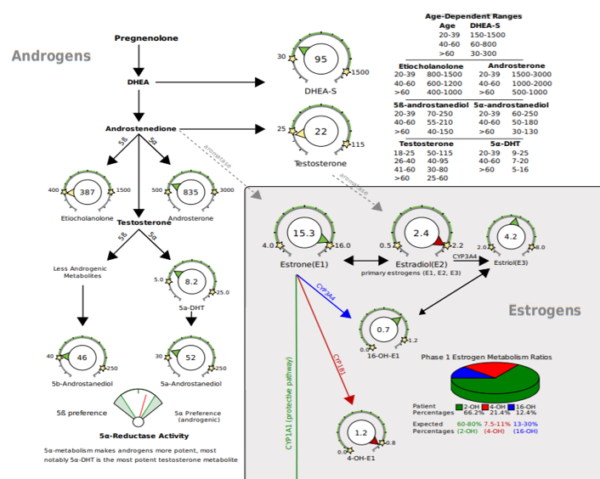
Hormone Testing – Hormones exist in our bodies in many different forms. Functional tests analyse whether hormones might be present in a pro-hormone state or build up in a post-hormone state and a range of other hormonal metabolites to give more insights into why hormonal levels may be imbalanced.
Toxicity Testing – With increasing exposure to toxicants in the modern world, finding out whether high levels of these compounds are culminating in the body has become a cornerstone for treatment strategies.
Nutrition Testing – Functional tests offer the ability to test key nutrients such as Iron, B12, and Vitamin D, but also analyse trace minerals such as Copper, Molybdenum, Vanadium and more.
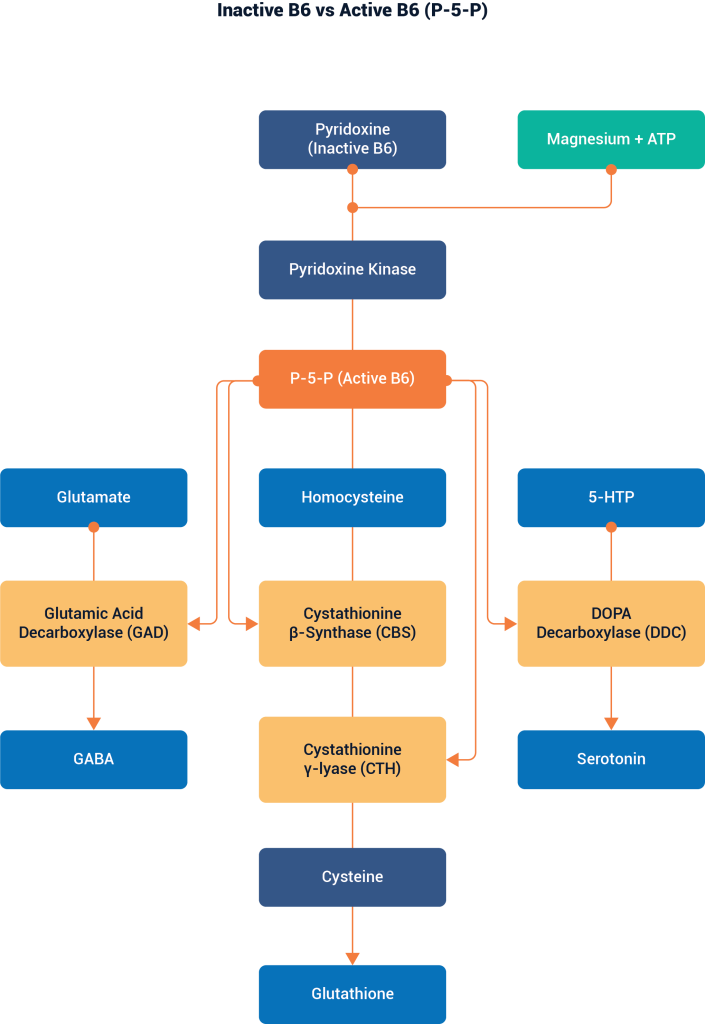
DUTCH Testing – DUTCH test offers a comprehensive overview of the levels of hormones, neurotransmitters, nutrient and their metabolites. This allows practitioners and patients to view the physiological pathways for the production and breakdown of hormones and to analyse where the issue may be occurring.
Great Plains Labs – The tests offered by Great Plains analyse both the metabolic pathways of the body and also the levels of environmental and mould toxins that may be affecting an individual. These tests highlight factors such as oxidation levels, ability to detoxify, oxalates levels, and more.
GI360 – GI360 is a comprehensive stool test that analyses bacteria (both beneficial and harmful), viruses, fungi, protozoa, markers that indicate the health of the gut and how effective various treatment methods are against these microbes.
World Health Organisation [Internet]. Global health estimates: Leading causes of death; 2021 [cited 7 September 2021] Available from: https://www.who.int/data/gho/data/themes/mortality-and-global-health-estimates/ghe-leading-causes-of-death